Engineering Excellence How Pinch Valves Optimize Pressure Management

Understanding Pinch Valves
What Are Pinch Valves?
Pinch valves stand out in engineering as simple yet powerful devices that control flow by pinching a flexible sleeve around the process material. Engineers rely on these valves to manage pressures and ensure reliable operation in demanding environments. Unlike traditional valves, a pinch valve uses external compression to seal the line, preventing leaks and contamination. This design excels in handling slurries, powders, and corrosive fluids without direct contact between the valve mechanism and the media.
The core appeal of a pinch valve lies in its versatility. Industries from wastewater treatment to food processing deploy them for precise flow control. For instance, in pharmaceutical manufacturing, pinch valves maintain sterility by isolating the actuator from the product stream. Their ability to operate under vacuum or high pressures makes them indispensable. Engineers appreciate how these valves minimize downtime, as the replaceable sleeve extends the overall life cycle of the system. When selecting a pinch valve, factors like material compatibility and pressure ratings guide the decision, ensuring optimal performance.
Historical development traces back to early industrial needs for non-intrusive flow regulation. Today, advancements in elastomer technology enhance durability, allowing pinch valves to withstand extreme temperatures and abrasives. Related searches often highlight pinch valve types, and indeed, variations cater to specific needs, from manual pinch valves for small-scale operations to automated ones in large plants. By optimizing pressure management, pinch valves contribute to engineering excellence across sectors.
Key Components of Pinch Valves
A pinch valve consists of three primary elements: the body, the sleeve, and the actuator. The body, often made from lightweight materials like aluminum or stainless steel, houses the mechanism and supports the sleeve. Engineers prioritize corrosion-resistant options to handle gases and liquids effectively. The sleeve, typically crafted from rubber or silicone, directly contacts the media and flexes to open or close the valve. This component bears the brunt of wear, influencing the valve's life cycle.
The actuator provides the pinching force, varying by type—manual, pneumatic, or electric. In pneumatic setups, compressed air operates the pinch valve, offering quick response times for flow control in industrial settings. Solenoid valves often integrate here to automate operations, enhancing precision in pressure regulation. Maintenance focuses on sleeve replacement, which extends the valve's longevity without overhauling the entire unit.
Additional features include end connections compliant with ASME standards, ensuring seamless integration into piping systems. Vibration resistance in components prevents premature failure in high-flow environments. For applications involving cellular concrete slurries, specialized sleeves resist abrasion. Overall, these components enable pinch valves to outperform gate valves in handling viscous materials, providing engineers with robust tools for pressure management and reliable engineering solutions.
How Pinch Valves Differ from Other Valve Types
Pinch valves diverge from gate valves and control valves by avoiding internal moving parts that contact the flow medium. Gate valves use a wedge to block flow, which can accumulate debris and fail under pressure. In contrast, pinch valves externally compress the sleeve, ideal for slurries and powders where clogging poses risks. This design reduces maintenance and enhances safety in handling hazardous pressures.
Compared to solenoid valves, which excel in rapid on-off gas control, pinch valves offer proportional flow regulation through partial pinching. Engineers choose them for applications requiring tight shutoff without metal-to-metal contact, unlike ball valves that might corrode in abrasive conditions. The lightweight construction of pinch valves also contrasts with heavier industrial valves, easing installation in vacuum systems or pumps.
Air operated pinch valves provide pneumatic actuation absent in manual pinch valves, differing from electric variants that demand power sources. Enclosed pinch valves shield mechanisms from dust, a feature reduced pinch valves might lack for cost-sensitive uses. In engineering terms, pinch valves shine in life cycle efficiency, outlasting traditional valves in corrosive environments. Their role in flow control underscores why professionals favor them over alternatives like butterfly valves for precise pressure optimization.
The Role of Pinch Valves in Pressure Management
Pressure Control Mechanisms
Pinch valves master pressure control through adjustable compression on the sleeve, allowing engineers to fine-tune system pressures dynamically. In high-pressure scenarios, reinforced sleeves maintain integrity, preventing bursts or leaks. This mechanism responds swiftly to fluctuations, stabilizing flow in pipelines carrying gases or liquids. Pneumatic actuators, often paired with control valves, enable remote adjustments, crucial for industrial safety.
Unlike rigid valves, pinch valves adapt to varying pressures without compromising seal quality. In vacuum applications, they prevent backflow, ensuring consistent negative pressures. Engineers integrate sensors to monitor real-time data, optimizing the valve's response. ASME-compliant designs handle extreme pressures, from low vacuum to high industrial levels, making them versatile for diverse engineering challenges.
The life cycle benefits emerge as sleeves wear predictably, allowing proactive replacements to sustain pressure management. For slurries with embedded solids, pinch valves excel by distributing pressure evenly, avoiding the hotspots seen in gate valves. This reliability reduces operational risks, positioning pinch valves as engineering staples for efficient pressure regulation across manufacturing and processing sectors.
Optimizing Flow Control
Engineers leverage pinch valves for superior flow control, achieving linear response from full open to tight shutoff. The flexible sleeve modulates flow rates precisely, ideal for dosing in chemical plants or metering in water treatment. Integration with pumps enhances system efficiency, as the valve compensates for pump-induced pressures without cavitation.
In pneumatic systems, air operated pinch valves respond to signals from control valves, automating flow adjustments. Electric pinch valves offer digital precision, incorporating feedback loops for consistent performance. This optimization minimizes energy waste, a key engineering goal in sustainable designs. Vibration from turbulent flows rarely disrupts operation, thanks to robust construction.
For powders and slurries, pinch valves prevent bridging, ensuring smooth flow compared to solenoid valves suited for clean gases. Lightweight bodies facilitate quick retrofits into existing setups, boosting overall productivity. By addressing related searches like pinch valve variations, engineers select models that align with specific flow demands, driving engineering excellence in pressure and flow harmony.
Applications in Vacuum Systems
Pinch valves thrive in vacuum systems, where they seal against atmospheric pressure without collapsing. Engineers use them in semiconductor manufacturing to isolate chambers, maintaining ultra-low pressures for processes like deposition. The sleeve's elasticity ensures airtight closure, preventing ingress of contaminants that could ruin yields.
In laboratory setups, manual pinch valves provide cost-effective control for vacuum filtration, handling delicate flows of solvents or gases. Industrial vacuum lines benefit from pneumatic variants, which integrate with pumps for automated cycling. ASME standards guide material choices, ensuring durability under cyclic pressures.
Compared to gate valves, pinch valves offer faster actuation, critical for time-sensitive vacuum operations. Their life cycle in vacuum environments extends through abrasion-resistant sleeves, reducing downtime. For specialized uses like handling cellular concrete under vacuum for testing, these valves adapt seamlessly. Overall, pinch valves elevate vacuum engineering by optimizing pressure differentials and enhancing system reliability.
Types of Pinch Valves and Their Variations
Electric Pinch Valves
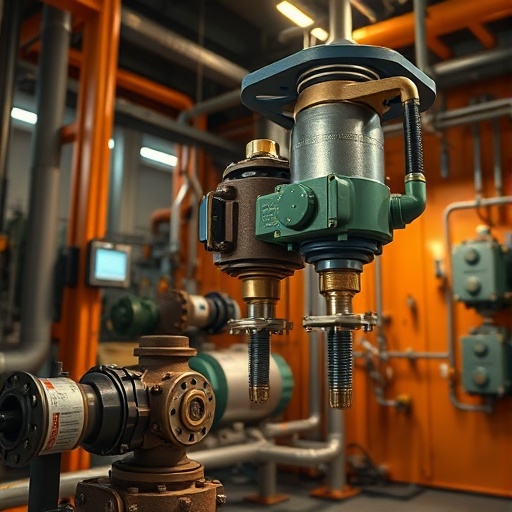
Electric pinch valves automate flow control with motorized actuators, allowing precise positioning via electrical signals. Engineers favor them in automated assembly lines for consistent pressure management in fluid dispensing. These valves integrate with PLC systems, enabling remote monitoring and adjustment of flows in real-time.
Variations include enclosed electric pinch valves, which protect against dust in harsh environments, and reduced sizes for compact installations. Power efficiency stands out, as they consume less energy than pneumatic counterparts during operation. In engineering designs, electric models pair well with solenoid valves for hybrid control, enhancing versatility.
The life cycle analysis reveals lower maintenance needs, with sleeves lasting longer under controlled actuation. For applications involving slurries, electric pinch valves prevent over-compression, preserving material integrity. Related searches on electric pinch valve underscore their role in modern automation, where they outperform manual options in precision and scalability for industrial pressures.
Industrial Pinch Valves
Industrial pinch valves endure heavy-duty conditions, constructed with robust bodies to manage high pressures and abrasive media. Engineers deploy them in mining for slurry transport, where they regulate flow without clogging. Stainless steel housings resist corrosion from chemicals, aligning with ASME specifications for safety.
Key variations feature air operated mechanisms for rapid response in large-scale operations, integrating seamlessly with control valves and pumps. Lightweight designs ease handling during installation, a boon in expansive plants. Vibration resistance ensures stable performance amid machinery noise.
In life cycle terms, industrial pinch valves offer extended service through modular components, minimizing replacement costs. They excel over gate valves in handling powders, preventing buildup that hampers flow. For related searches like industrial pinch valve, professionals note their adaptability to diverse engineering needs, from wastewater to food processing, optimizing pressure and flow control effectively.
Manual Pinch Valves
Manual pinch valves provide straightforward operation via handwheels or levers, ideal for low-volume or portable setups. Engineers appreciate their simplicity in field testing, where quick adjustments to pressures prove invaluable. No external power requirements make them reliable in remote locations.
Variations include basic enclosed models for lab use and those with threaded connections for easy piping integration. The lightweight construction suits mobile engineering tasks, like environmental sampling under vacuum. Sleeves handle a range of media, from gases to viscous slurries, without complex maintenance.
Life cycle advantages include low upfront costs and minimal wear from gentle actuation. Compared to electric pinch valves, manuals offer tactile feedback, aiding precise flow control. Addressing searches on manual pinch valve, they remain essential for educational and small-scale engineering, ensuring effective pressure management without automation overheads.
Air Operated Pinch Valves
Air operated pinch valves use compressed air to actuate the sleeve, delivering fast and forceful closure for demanding flow control. Engineers integrate them in pneumatic systems for mining and pulp processing, where they manage slurries under high pressures. Solenoid valves often control air supply, enabling automated sequences.
Enclosed variations shield against contaminants, while reduced designs fit tight spaces. ASME compliance ensures pressure vessel safety, crucial for gas handling. Vibration dampening in the body maintains seal integrity during operations.
The life cycle benefits from durable diaphragms, extending usability in abrasive environments. For powders and cellular concrete flows, these valves prevent leaks better than gate valves. Related searches on air operated pinch valve highlight their efficiency in engineering setups with pumps, optimizing pressure and reducing energy use through precise pneumatic control.
Engineering Considerations for Pinch Valves
Material Selection and Lightweight Design
Material selection drives pinch valve performance, with engineers choosing elastomers like EPDM for chemical resistance or Viton for high temperatures. Lightweight aluminum bodies reduce installation weight, facilitating use in overhead piping or mobile units. This design cuts structural loads, enhancing overall system efficiency.
For abrasive slurries, urethane sleeves withstand wear, extending life cycle. In vacuum applications, low-outgassing materials prevent contamination. ASME guidelines influence metal choices, ensuring pressure integrity. Cellular concrete processing benefits from abrasion-resistant options, handling unique flow challenges.
Lightweight engineering also aids vibration resistance, as lighter components absorb shocks better. Integrations with control valves demand compatible materials to avoid galvanic corrosion. By prioritizing these factors, engineers achieve durable, efficient pinch valves that optimize flow control across industries.
Life Cycle Analysis of Pinch Valves
Life cycle analysis of pinch valves reveals cost-effective longevity, with sleeves replaceable every 6-12 months depending on media. Engineers calculate total ownership costs, factoring in minimal downtime from quick swaps. Robust actuators extend mechanical life beyond 1 million cycles in pneumatic models.
Environmental impact assessments highlight recyclable components, aligning with sustainable engineering. In high-pressure uses, predictive maintenance via sensors prolongs service. Compared to gate valves, pinch valves show lower failure rates in slurries, reducing repair expenses.
For electric and air operated variants, energy efficiency boosts life cycle value. Addressing vibration and corrosion early prevents premature wear. Overall, this analysis positions pinch valves as smart investments, supporting long-term pressure management and operational reliability in diverse engineering contexts.
Integration with Pumps and Control Valves
Integrating pinch valves with pumps ensures synchronized flow, as engineers match valve response to pump curves for optimal pressures. In peristaltic pump setups, pinch valves act as secondary controls, preventing backpressure. Pneumatic linkages allow seamless automation with control valves.
Solenoid valves enhance this integration, signaling pinch actions based on flow data. Lightweight designs ease alignment in compact systems. For vacuum pumps, pinch valves isolate stages, maintaining efficiency.
Life cycle integration considers compatibility, avoiding mismatches that accelerate wear. In industrial applications, ASME-rated connections ensure secure joints. This synergy excels in handling gases, powders, and slurries, outperforming standalone valves. Engineers thus achieve holistic systems where pinch valves elevate pump and control valve performance.
Future Trends in Pinch Valve Technology
Innovations in Pneumatic and Solenoid Pinch Valves
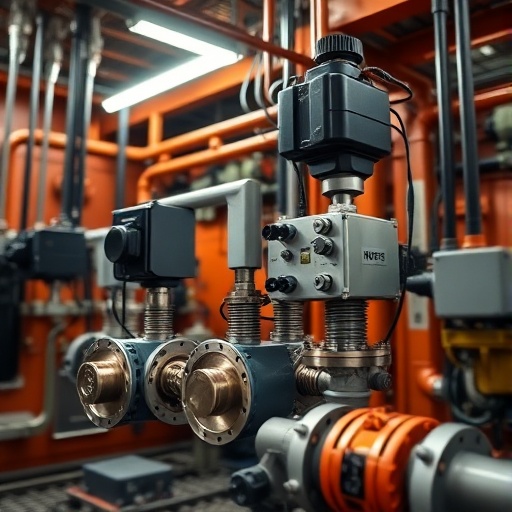
Innovations propel pneumatic and solenoid pinch valves toward smarter automation, with IoT sensors providing real-time pressure feedback. Engineers embed these in Industry 4.0 frameworks, enabling predictive adjustments for flow control. Enhanced solenoid designs offer faster response, reducing lag in high-speed operations.
Lightweight composites in bodies cut weight further, aiding drone-integrated systems for remote monitoring. ASME updates incorporate digital twins for virtual testing, streamlining engineering. For air operated models, low-friction sleeves improve efficiency, lowering compressed air use.
Life cycle extensions through self-diagnostic features minimize failures. In slurries, adaptive pneumatic controls handle varying viscosities. These trends address searches on pinch valve innovations, promising resilient solutions for evolving industrial pressures and vacuum demands.
Vibration Resistance and Performance Enhancements
Vibration resistance advancements in pinch valves use damped actuators to shield against machinery harmonics, ensuring stable pressure management. Engineers incorporate viscoelastic materials in sleeves, absorbing shocks without compromising seals. This boosts performance in pump-adjacent installations.
Performance enhancements include variable force actuators, allowing fine-tuned flow control under dynamic loads. Lightweight alloys resist fatigue, extending life cycle in vibrating environments. Integration with control valves via anti-vibration mounts prevents signal interference.
For gate valve replacements, these features offer superior durability in slurries. ASME-compliant testing validates enhancements, covering extreme pressures. Future designs target zero-leakage under vibration, revolutionizing engineering reliability for powders, gases, and beyond.
Pinch Valves for Specialized Applications (Powders and Slurries)
Pinch valves for powders and slurries evolve with textured sleeves that prevent material adhesion, ensuring consistent flow. Engineers tailor them for mining tailings or food powders, managing pressures without compaction. Enclosed variants isolate dust, enhancing safety.
Variations like reduced pinch valves suit small-batch processing, while industrial models scale for large volumes. Pneumatic actuation handles sticky slurries effectively, outperforming solenoid valves in non-gas media. Vibration-resistant builds maintain performance in conveyor-linked systems.
Life cycle optimizations include easy-clean designs, reducing hygiene risks in pharma. For cellular concrete slurries, abrasion-proof materials extend usability. Addressing related searches on pinch valves for powders and slurries, these specialized applications drive engineering innovation, optimizing control in niche, high-stakes environments.
See Also
- Pinch Valve Variations A Comprehensive Guide for Engineers
- From Manual to Electric Exploring the Versatility of Pinch Valves
- Enhancing Industrial Processes with Air Operated Pinch Valves
- Choosing the Right Pinch Valve for Slurries and Powder Applications
- Understanding Life Cycle Impacts of Pinch Valves on System Performance